
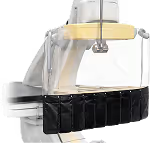


The AeroShield™ System
Passive protection that can be used in every procedure, every day.
AeroShield™ is an enhanced radiation protection device (ERPD) that incorporates a table-mounted shield with an inflatable above-table component, and a unique, ceiling-mounted hanging shield, to passively protect the team in every case, every day.
Connect with Salus for a Consultation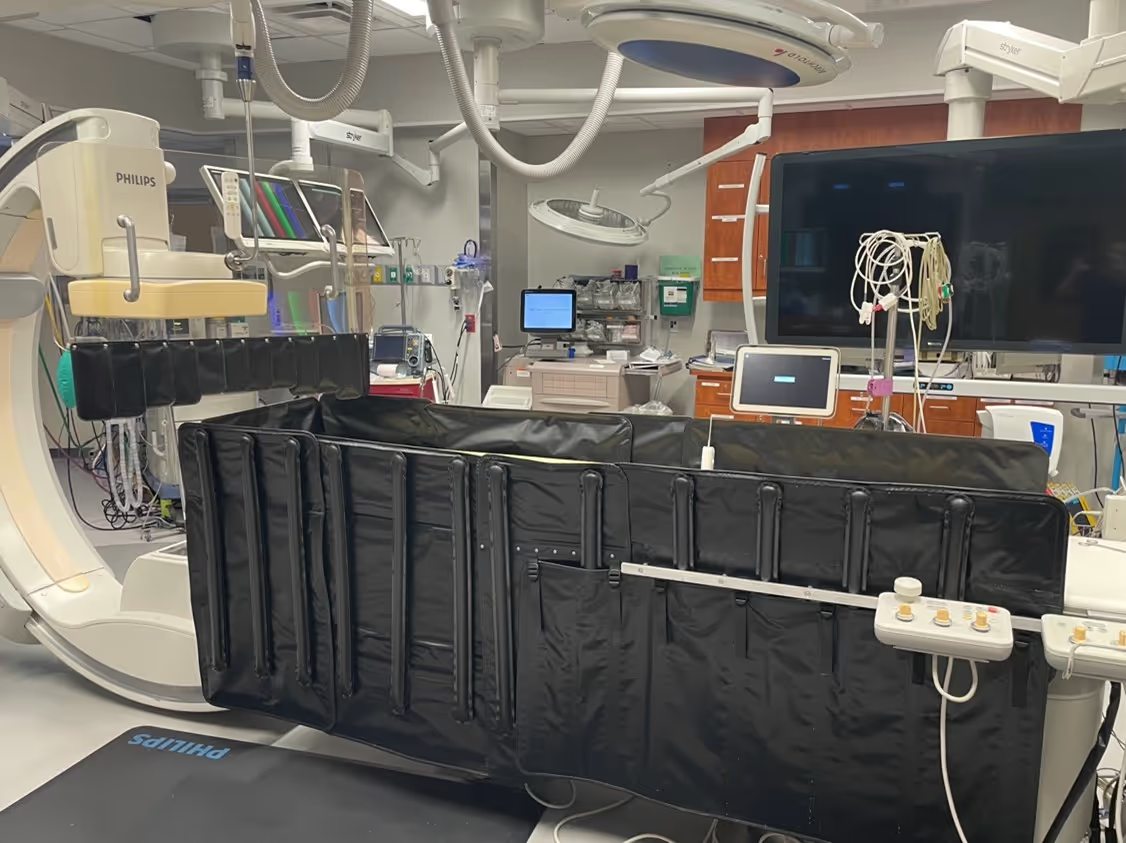

.avif)



Why Choose AeroShield™?

Innovative Design
Our inflatable lower shield and full-coverage OptiShield™ upper barrier reduce scatter across dynamic gantry angulations.

Whole-Team Protection
Meaningful dose reduction for all staff — including anesthesiologists, circulators, and sedation nurses often left unprotected.

Workflow Integration
Passive protection after quick inflation and positioning of OptiShield. Easy and fast patient prep, clean up, and room turnover.

Proven Performance
Formative Study in cardiac cath lab shows low average dose per case to main operator (8.8 microsieverts), scrub tech (2.3 microsieverts), sedation nurse (0.92 microsieverts) and circulator (0.14 microsieverts)
How the AeroShield™ System Works
AeroShield™ pairs an inflatable table-mounted lower shield with the OptiShield™ above-table barrier to provide comprehensive scatter protection across the widest range of standard imaging projections.
.avif)
Protects all in the lab. Without compromise.
Together, the lower shield, and upper Optishield™ create a continuous barrier that protects throughout the procedure, in every procedure.
Passive protection means no repositionings, no interruptions, and no reliance on adjusted operator behavior.
Lower Shield: Easy Patient Loading, Unloading and Cleaning
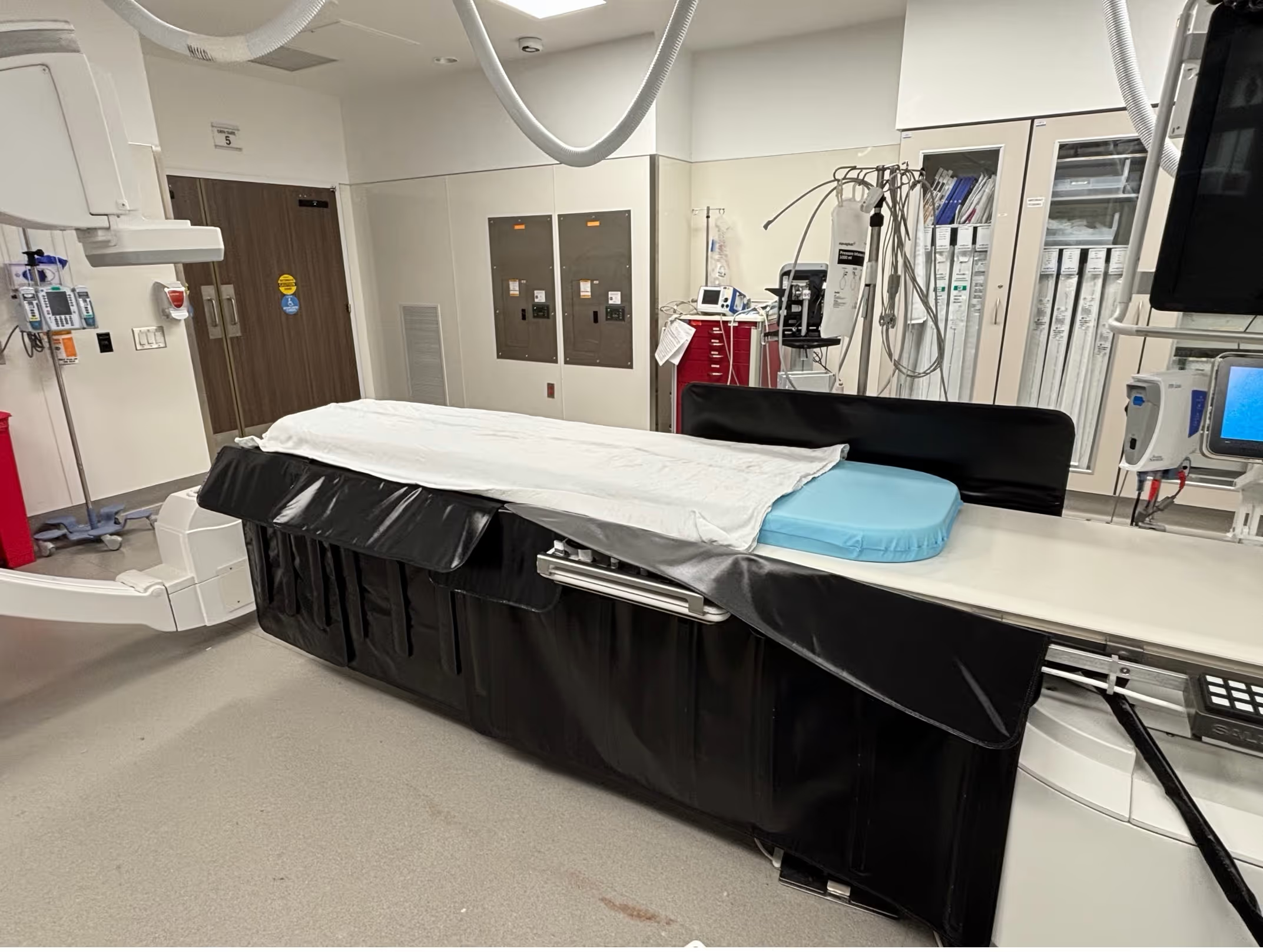
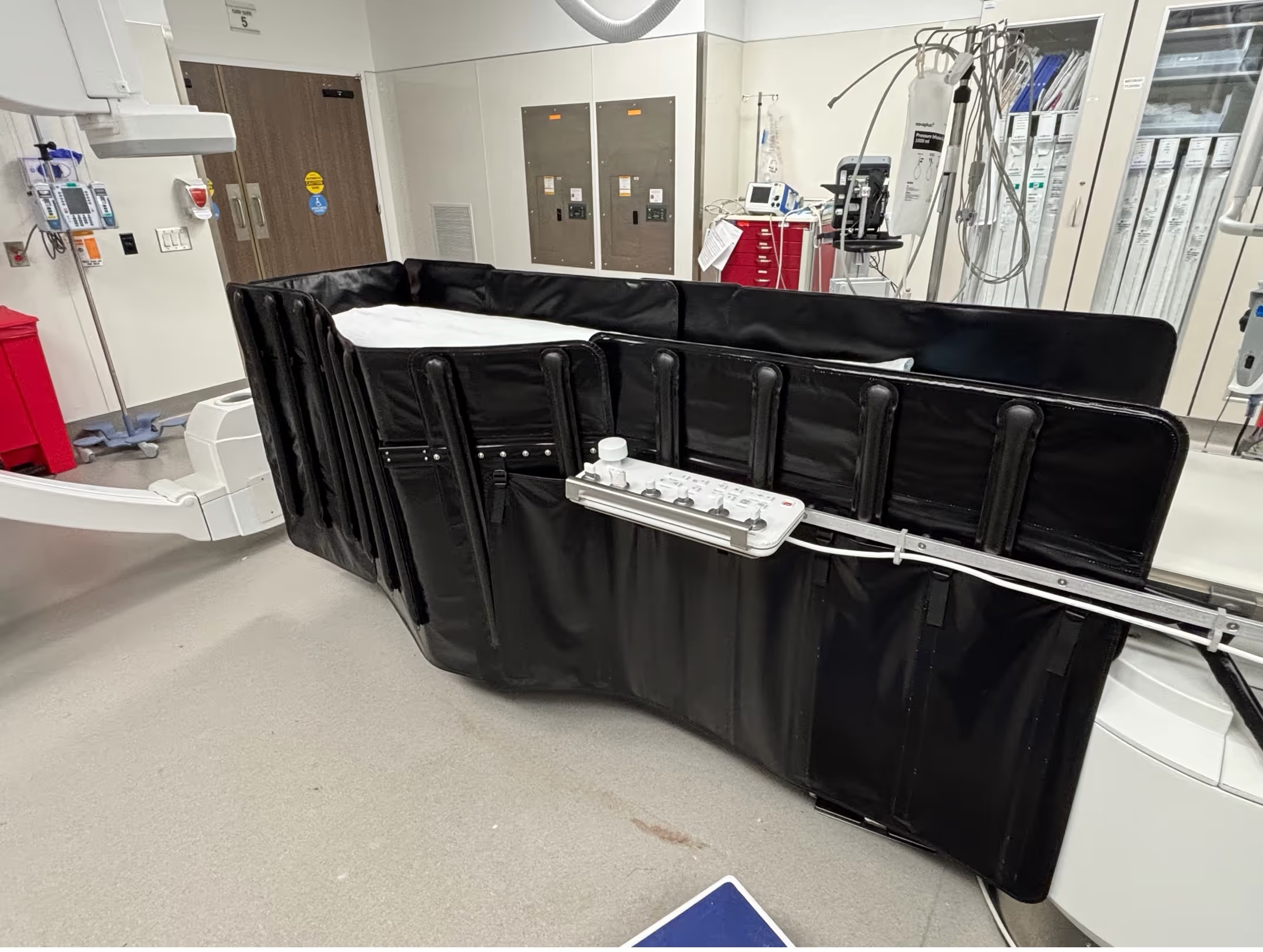
An inflatable, low-profile shield designed to sit flush against the procedure table — providing consistent protection at the source of scatter radiation.
• Small footprint, tableside design
• Low PSI air bladders for fast setup
• Easy patient loading, unloading, and cleaning
• Lower shield total weight: 38 pounds
Works in All Steep Angulations
AeroShield maintains consistent protection across steep angulations and complex imaging positions — without requiring repositioning or compromising access.

AeroShield™ Scatter Radiation Protection System

Small Footprint Tableside
Low profile tableside design, with all zone and individual zone inflate/deflate capabilities

Low PSI Air Bladders
8psi air bladders fed with small airline across all zones
Passive Protection with Full Workflow Integration
Built to provide continuous protection without disrupting staff movement or procedural flow.

Upper AeroShield OptiShield™
Above table shielding adds upper coverage as part of the complete AeroShield system.
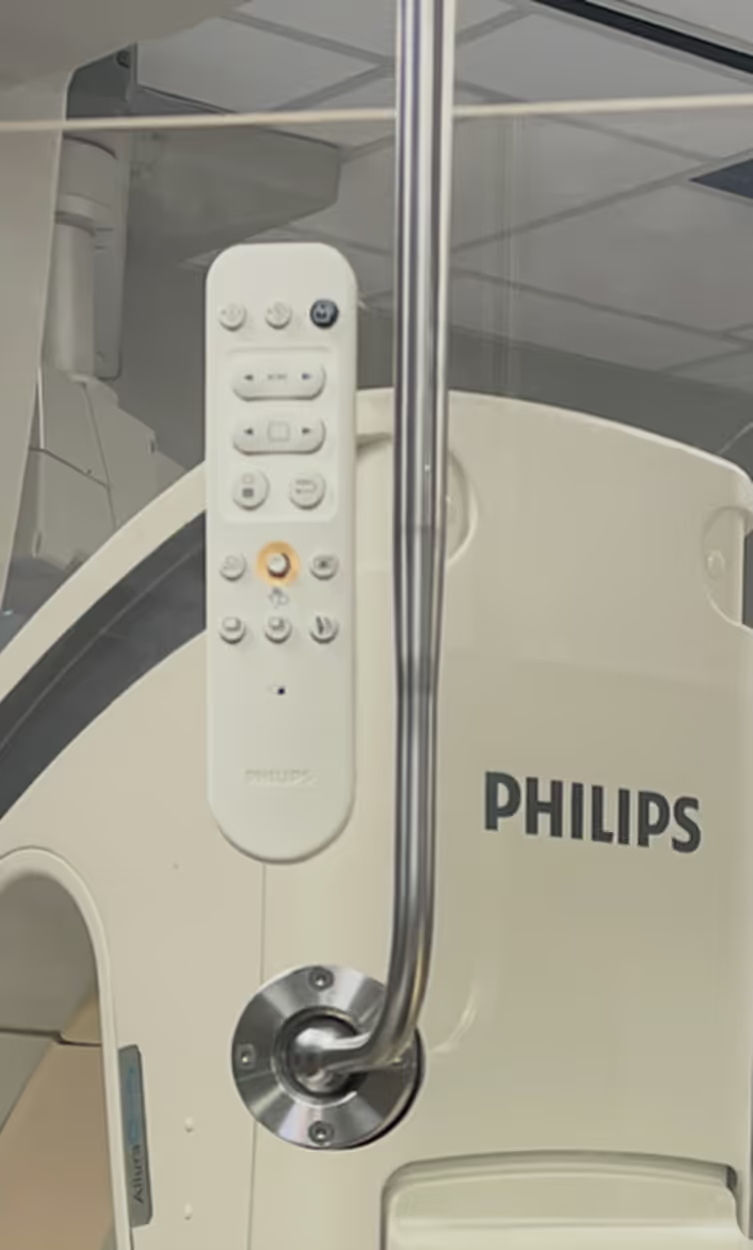
Mounts to Existing Hanging Shield Boom Arm
Designed to attach to existing boom arm for immediate installation. At ~25 lbs, falls under the weight load limit of boom arm.

Radial Kickouts
Left and right side kickouts support radial workflows while maintaining protection and access.
Patient Prep Ready
Supports patient prep without requiring any components of system to be removed or stored away.

Integrated into the Rail
Built into the rail for a cleaner, more seamless setup within the procedure space.
Clinically Validated. Data-Driven Protection.
AeroShield has been evaluated in controlled bench testing and real-world clinical use, with results published in peer-reviewed settings.
Real World Results of Dose Per Case and Workflow
Prospective observational comparison (31 traditional vs. 30 AeroShield™). No significant difference in case mix or radiation output between groups (p = 0.93). Led by William Dixon, MD at Tallahassee Memorial Healthcare.
Procedural Case Distribution
Ensuring Comparability
Average Dose per case (normalized by DAP) – Dose area product:
Dose per case:
8.28 µSv
Primary operator
p < 0.001
Dose per case:
2.3 µSv
Scrub tech
p < 0.001
Dose per case:
0.92 µSv
Sedation nurse
p < 0.001
Dose per case:
0.14 µSv
Circulator
p < 0.26
AeroShield™: 3,312 µSv (6.6% of limit)
vs. Traditional: 67,896 µSv (136% of limit)
Staff Satisfaction Survey
n = 19 (3 physicians, 9 RTs, 2 RCIS, 5 RNs)
100%
Likely to continue using AeroShield™ in its current form
94%
No time lost in pre-procedure prep or room turnover
95%
No impact on patient access or communication
2
Cases needed to fully understand how to use AeroShield system
Comprehensive Angulation & Staff Position Evaluation
Independent testing across 11 projections and 5 staff roles using EDEX methodology per NRC Reg. Guide 8.40.
80–95%
Dose reduction with OptiShield™
>85%
Primary operator reduction
>80%
Scrub tech reduction
>80%
Anesthesiologist & circulator
0
Angulations with increased exposure
0
Impact on workflow or imaging
Peak reductions >94% observed in steep LAO angulations for primary operator
The AeroShield™ System
Table-Mounted / Inflatable
The inflatable lower shield mounts directly to the procedure table, creating a comprehensive scatter barrier below the table surface. Rapid inflation and deflation ensures unobstructed patient access when needed.
Weight: 38 lbs total system.
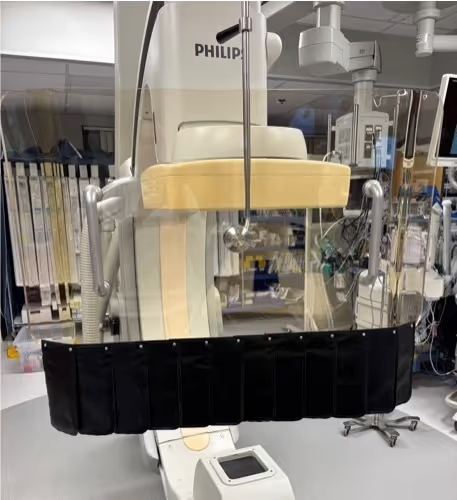

OptiShield™ Above-Table Barrier
Full-Coverage Upper Shield
The OptiShield™ provides full-coverage scatter protection above the table, working in tandem with the inflatable lower shield for comprehensive whole-body shielding across all standard imaging projections.
Frequently Asked Questions
No, based on staff satisfaction surveys during our Formative Study, there weren’t any angulations the AeroShield prevented the c-arm from achieving.
After assessing the table and room, installation takes about 1-2 hours.
Yes. The shield deflates in a matter of seconds, and it is also soft material, so there is no loss of patient communication or access.
As of now, the AeroShield™ is compatible with coronary cath lab, EP, structural, and peripheral procedures. We are in development of iterations of AeroShield™ which will address more specialties and procedures. The goal is to be usable in 100% of cases in every specialty and lab which uses fluoroscopy.